
Written by: Natalie Schenken – Public Relations Manager at Bond University Newsroom
Photo Credit: Cavan Flynn
Denison junior conducts hands-on marine research in Australia
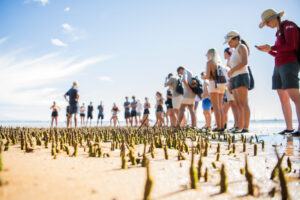
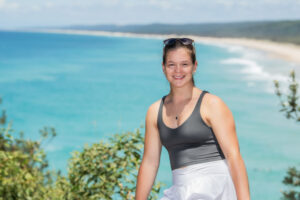
While many Denison students were braving Ohio’s winter chill, junior Natalie Fieberg was knee-deep in seagrass on North Stradbroke Island, collecting ecological data and learning about the Indigenous culture of the region.
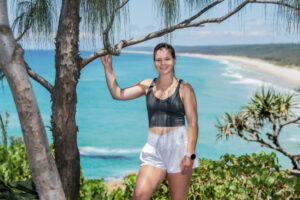
Fieberg is spending the semester at Bond University on Australia’s Gold Coast. As part of her study abroad experience, she completed Island Class, an intensive coastal research program.
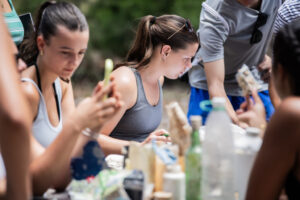 “It’s been exciting to get in the field, collect information and analyze what it shows,” Fieberg said. “I haven’t done anything this hands-on before.”
An outdoors enthusiast, Fieberg said she chose Bond because of its environmental diversity.
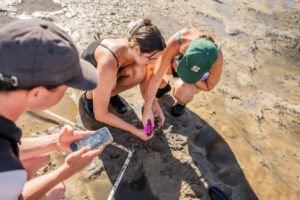
“Although the U.S. has a vast landscape, we don’t have anything that compares to this ecosystem specifically,” she said.
“I didn’t grow up around water, so placing myself at a surf and beach location was important to me.”

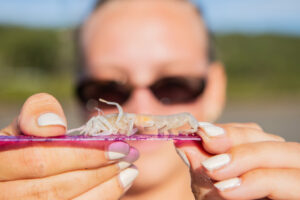
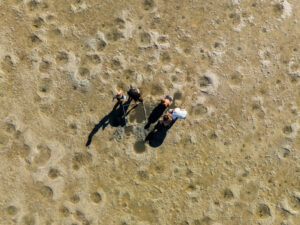
The course sits at the intersection of her two majors, data analytics and environmental studies. Over four days, students mapped seagrass beds, assessed the effects of vehicle traffic on ghost crab populations, measured marine invertebrates and documented debris along the shoreline. The work examines how coastal ecosystems respond to human disturbance.
Before coming to Denison, Fieberg took a gap year in Hawaii, where she worked in the field removing invasive species and studying local ecosystems. She said Island Class built on that while adding a stronger analytical component.
“I can’t think of a course back home that this compares to,” she said. “Both of my advisors were excited for me to take it and have it count toward both of my majors.”
Associate Professor Daryl McPhee, who leads Island Class and has studied the region’s ecosystems for decades, said the course connects theory with experience.
“You can show students graphs and satellite imagery in a lecture theatre, but when they’re out in the seagrass beds, the concepts stop being abstract,” he said.
For Fieberg, the experience has reinforced her academic focus.

After graduating in May 2027, she hopes to pursue work in environmental analysis, potentially in geographic information systems or sustainability-focused data roles.